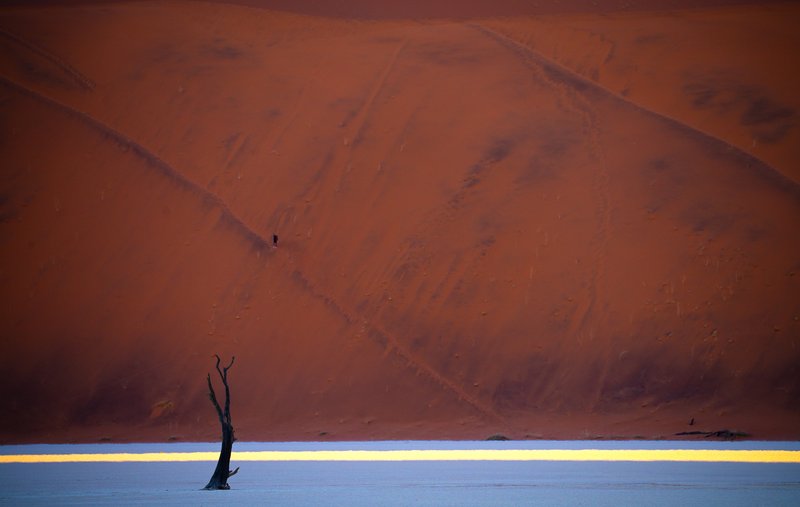
Namibian Expedition
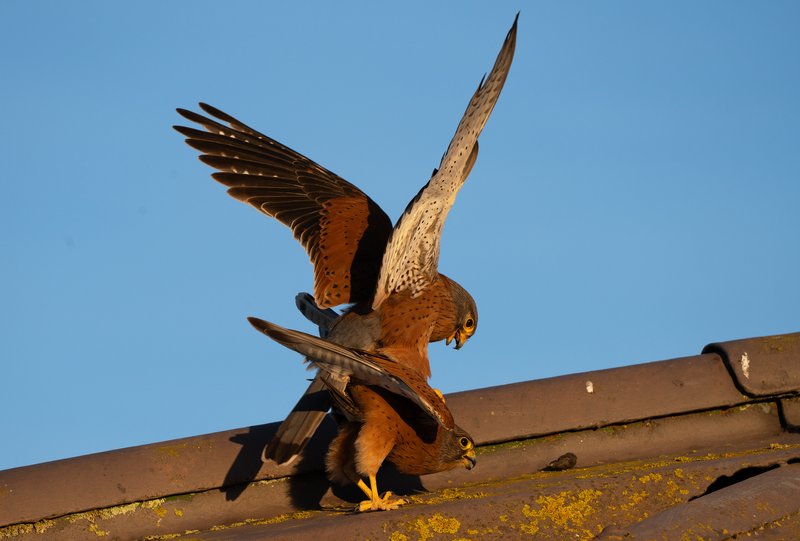
Rock kestrel (Falco rupicolus)
Under the eave of our cottage was a Rock kestrel (Falco rupicolus) nest. One or both of the parents would often perch on the roof of the neighboring cottage between hunting forays and feeding the chicks. We saw them breeding twice during our two-night stay. Rock kestrels are the most common of the small Falconidaes in southern Africa, and although commonly seen in the dry semi-arid to arid areas, they are most often seen in rocky mountainous habitat. Hence their name. They mainly eat small birds, lizards, mammals and arthropods, either hunting from a high perch or by hovering so that it can spot prey. Once it has done so it glides to the ground to catch the animal.
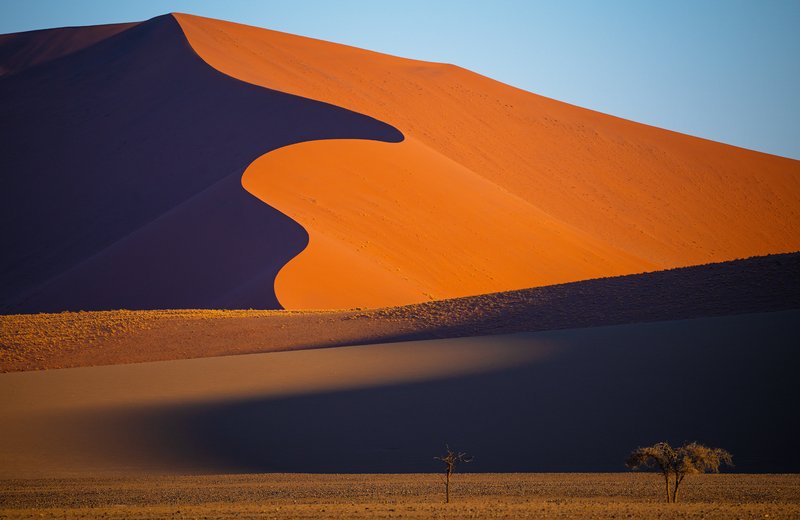
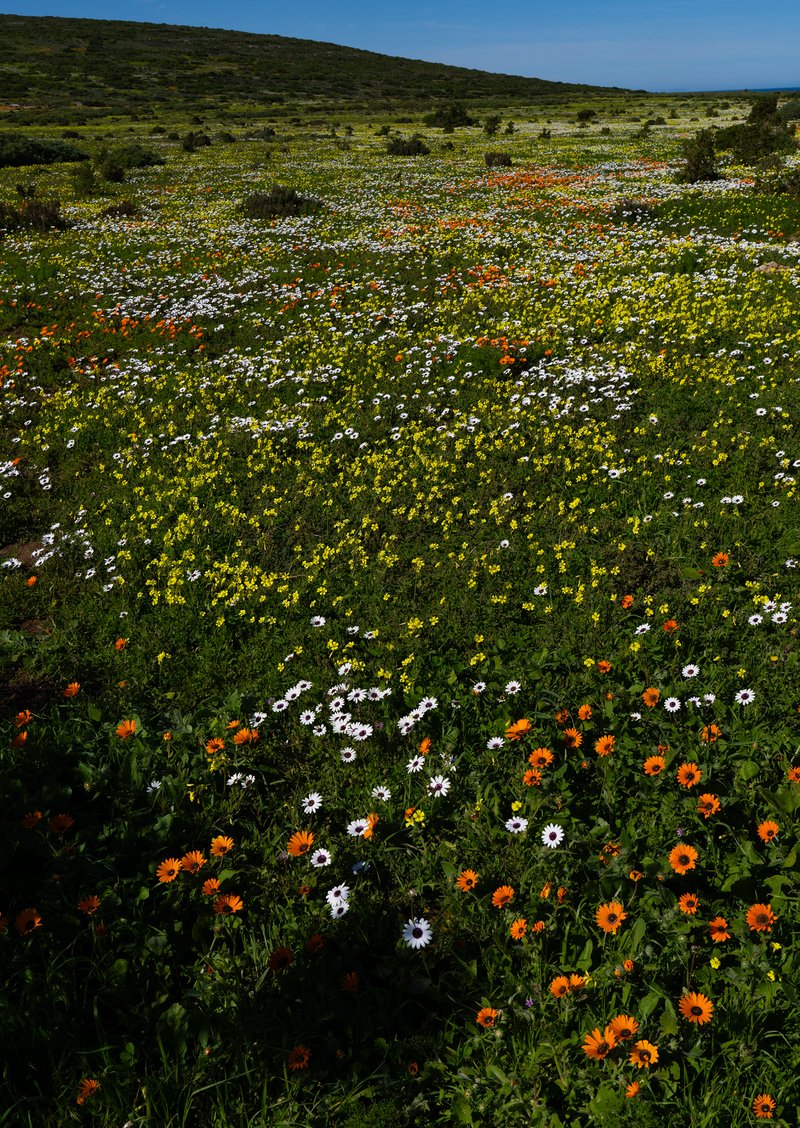
Namibia Expedition
Our itinerary covered almost 5,000 km in 16 days, starting in Windhoek and reaching the Angolan border before turning around. To duplicate it on a private tour would have cost almost twice as much and require specialized guides who were able to be on location past midnight and again before sunrise. Of course the vehicles would have been much more comfortable, and we would have had much more control over our locations and shoots, whereas upon joining a group, I became powerless, but I didn't see any other realistic option.
Group photo tours add a social element to the trip which most people find enjoyable. There were a number of interesting people on the tour, although a wide range of skill levels and experiences. It's always a trade-off and, like with most groups, cliques formed. Strangely enough, both guides rode in the same van.
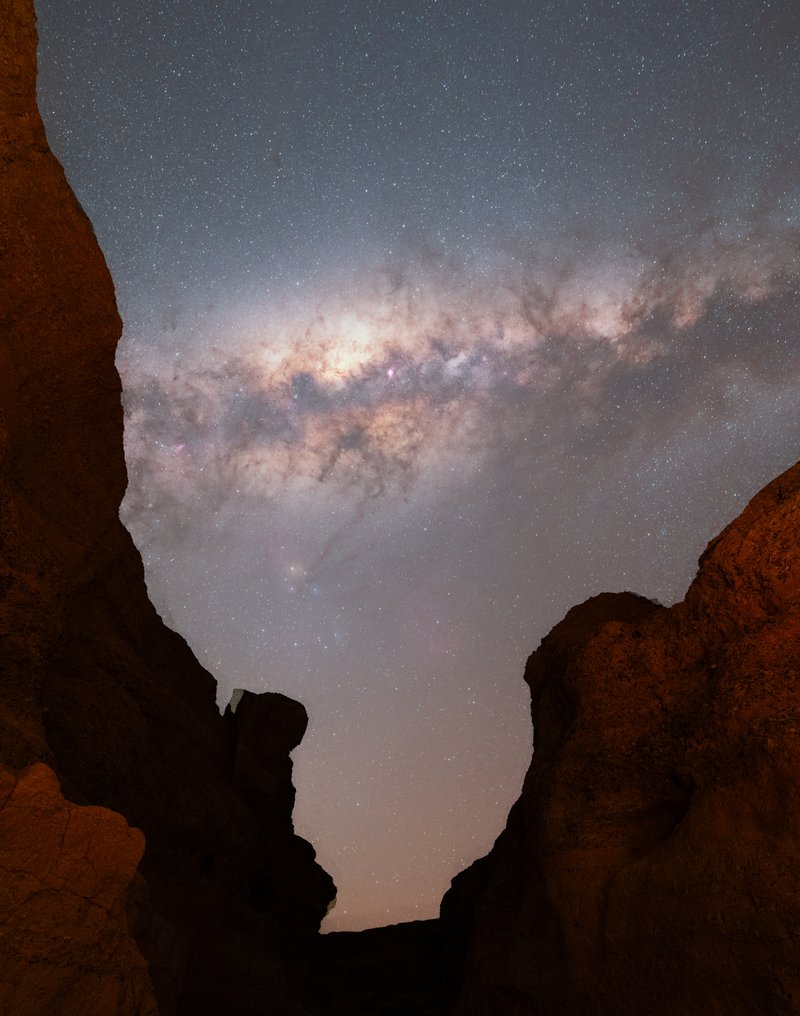
I was surprised how little input we had over any aspect of our trip. I was especially disappointed in the night photography shoots. One of the two arcing Milky Way shoots was cancelled and the other essentially taken from us. The staff set up two tripods and rotated our cameras through them. In my case, I did nothing but press the shutter release. Staff mounted the camera on the pano head and rotated it, even though I have my own pano head as well as a Benro Star Tracker.
Other night shoots required us to line up our tripods leg-to-leg and we never did any light painting. That was all done, with varying degrees of success by the staff. The simple solution was to schedule more than one shoot. For example, we spent two nights in the area of Spitzkoppe Arch but were forced to rush the shoot and give up control of our image. We were not involved in the decision-making,
Overall, I was pleased with the photographs I was able to make, but disappointed in the opportunities that had been advertised, but not offered.