The Pantanal Revisited
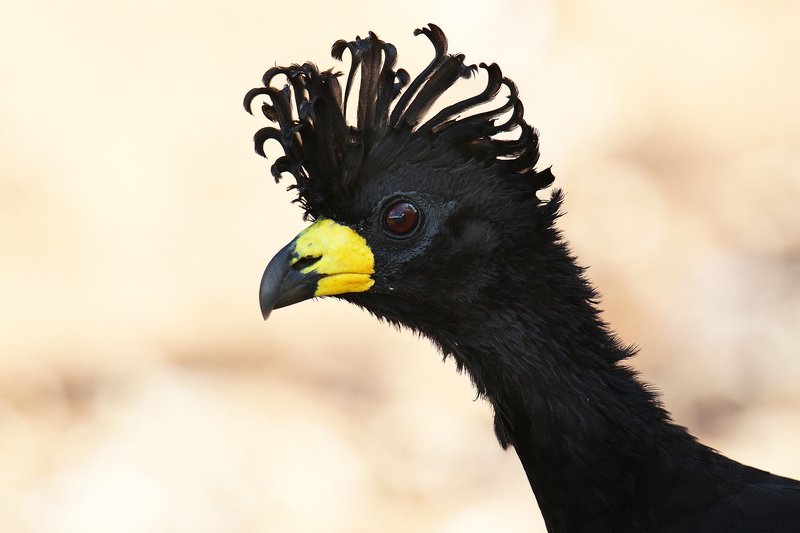
Bare-faced Curassow (Crax fasciolata), Pousada Rio Claro, Brazil
Numerous birds, including a Bare-faced Curassow were roaming the grounds of the lodge when we arrived. The Curassow is a large bird reaching a length of three feet. It feeds on fruits fallen from trees, seeds and flowers along the edge of semi-deciduous and gallery forests. The males produce a low-pitched booming, similar to the sound of blowing across the mouth of an empty bottle. It is subject to hunting and habitat destruction and the total population is declining rapidly. The International Union for Conservation of Nature has assessed its conservation status as vulnerable.
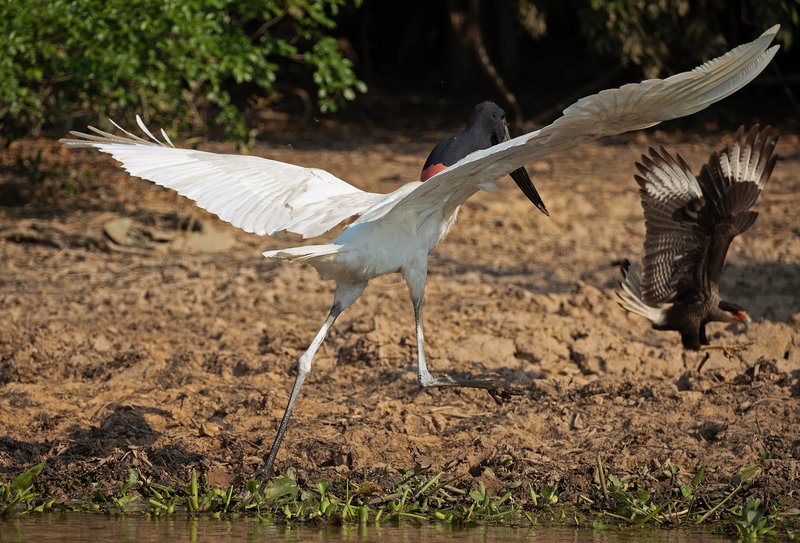
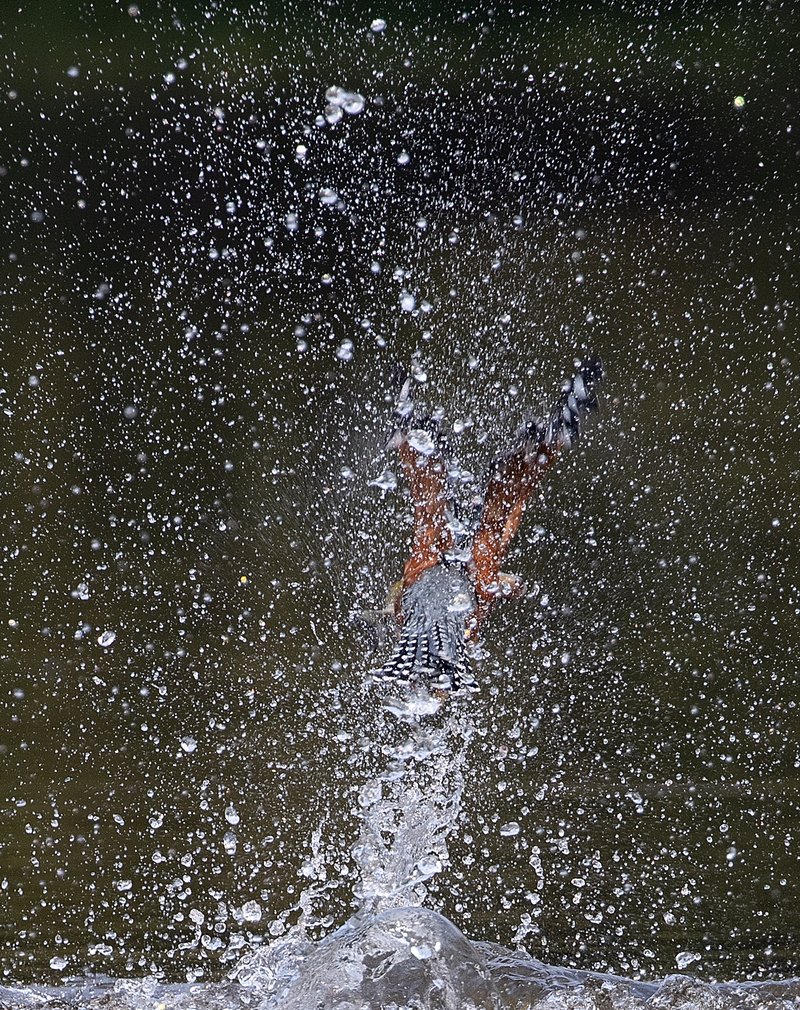
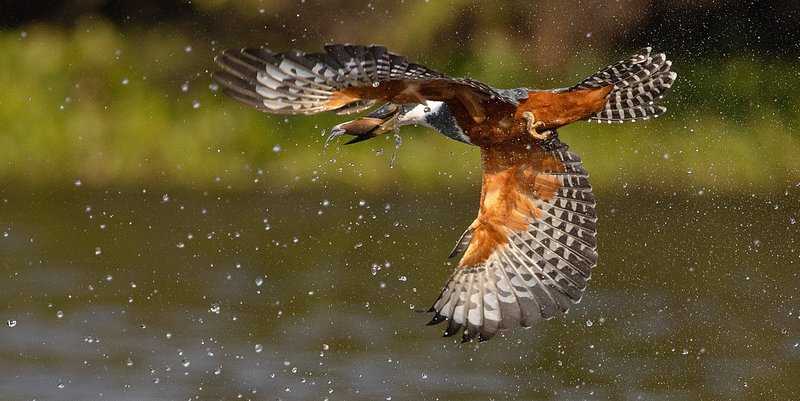
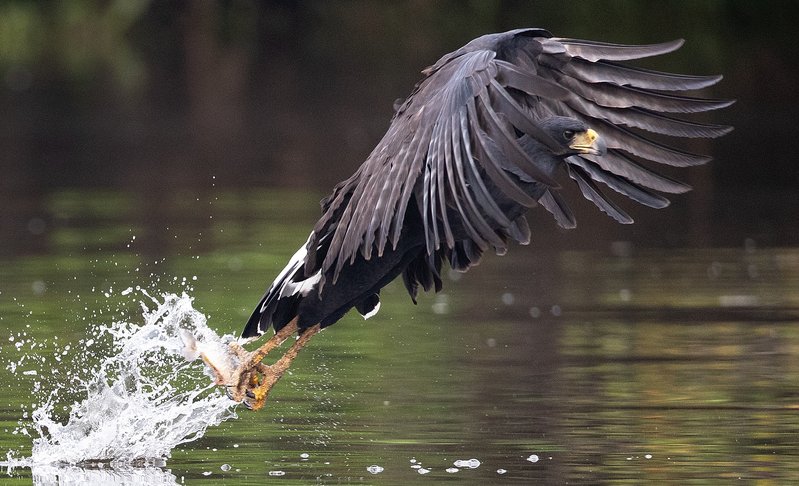
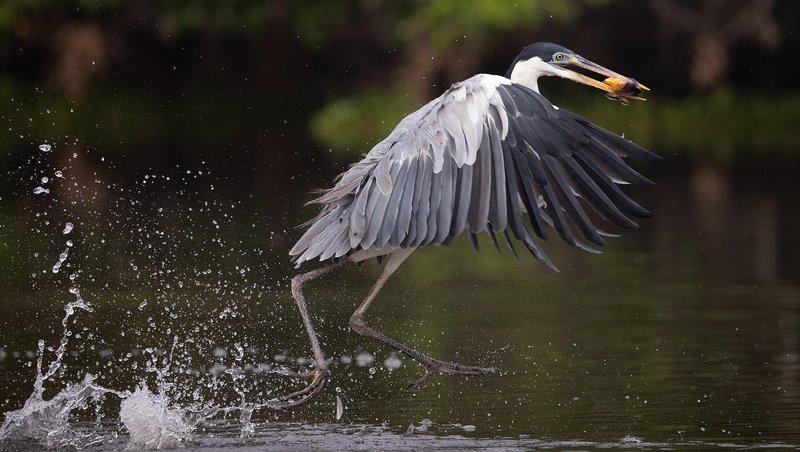
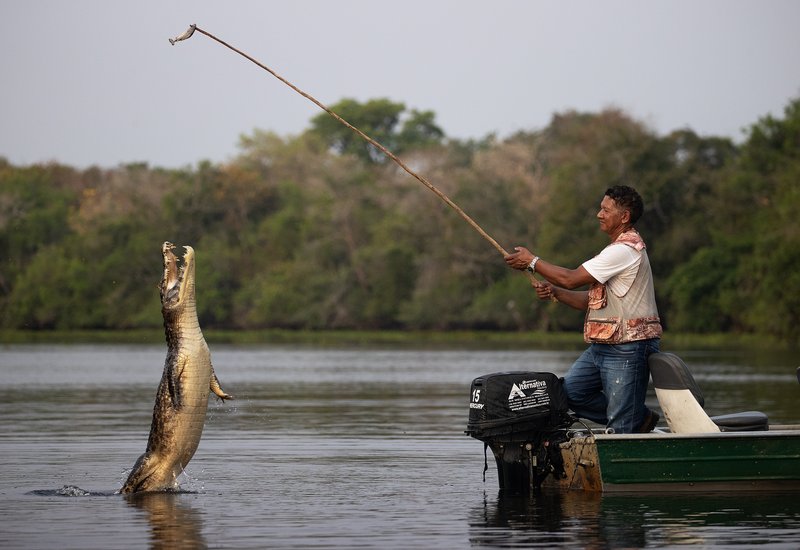
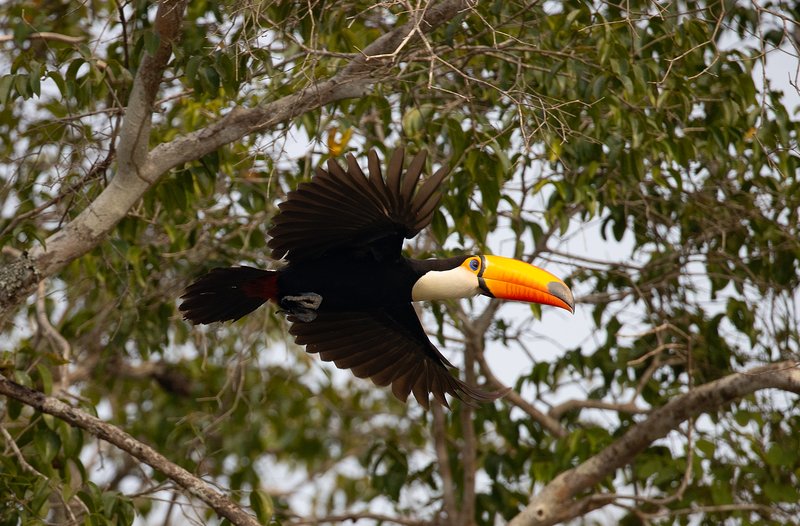
When we headed out for our first trip on the river, I quickly learned that we would not be photographing birds engaging in natural behaviors, but that the local drivers would be tossing dead fish toward them to attract them to our boats. Of course, this detail was not included in the tour description. I don’t know why I am still amazed and appalled by this behavior since I have encountered it on other tours, also with no previous mention. I use the experience to practice photographing birds in flight. I still share these photographs but I label them accordingly. They are not photographs of birds exhibiting natural behaviors in natural habitats.
The Pantanal, Brazil
It had been almost 14 years since my first trip to the Pantanal, so I had plenty of time to plan. It is a vast area and not an easy place to visit unless you go with an organized group. A boat is required and the primary habitat is at the end of the poorly maintained Transpantaneira, a 91-mile long dirt road, which runs from Poconé to Porto Jofre, Brazil. The road includes 122 wooden bridges, perhaps one less after our van was impaled by a large wooden cross beam from one on the drive south.
In December 2009, I was in Brazil for the wedding of a friend who had left UNC-CH shortly after I did and gone back to work in the industry. Later, he would join me at the University of Miami. None of that is relevant other than to explain why I was in Brazil and why I decided to stay an extra week and try to photograph jaguars in the Pantanal, a vast wilderness that encompasses the world's largest tropical wetland and the world’s largest flooded grassland. It is habitat for the largest jaguar population on Earth.
The wedding was lovely and the next day, we flew to Cuiaba, about a two-hour direct flight from São Paulo. Somehow, TAM Airlines managed to lose my luggage on the two-hour direct flight. That included my tripods, remotes, beanbags and numerous other photography accessories that I could not manage to fit in my carry-on allowance, as well as my clothes. We met our guide and he suggested we have lunch nearby and wait for the next flight. We did, but still no luggage and no information or tracking. We had a long drive ahead of us, so against my better judgment, we left Cuiaba.
At lunch, our guide had informed us that much of the Pantanal was flooded, that we would not be able to see jaguars and that many of our accommodations had been changed. He could not explain to me why I was not informed of this prior to our departure, why we were not given the option to reschedule or cancel or even where we would be going. Nevertheless, off we went.
We spent a week driving around the open parts of the road with only one day on the water. For most of that time, the vehicle was not suitable for photography. The guide had not been informed that I was a photographer. I finally saw my duffel bag five days later, a day before it was time to fly back to São Paulo and connect to Iguassu. I should have spent more quality time with it, because it did not arrive in Iguassu with us, or ever. The next time I saw it was two weeks later, when TAM Airlines returned it to the airport in Miami, without any explanation and certainly without an apology or any compensation. TAM Airlines no longer exists, merging with LAN to form the LATAM Airlines Group (that filed for bankruptcy in May 2020). I wish I could take some credit for their downfall, but I can’t.
My dream of returning to the Pantanal almost went up in smoke, when in 2020 more than a quarter of the Pantanal burned while former President Bolsonaro’s government did little to stop the wildfires. The Associated Press quoted Daniel Moura, who owns an eco-tourism company in the area, “We used to see jaguars here all the time; I once saw 16 jaguars in a single day,” he said while on the riverbank in Encontro das Aguas State Park, which had 84% of its vegetation destroyed.
Of course, it should not surprise anyone that in 2022, our President, the Orange Idiot, endorsing Bolsonaro’s re-election bid, wrote on his social media site, “‘Tropical Trump’ as he is affectionately called, has done a GREAT job for the wonderful people of Brazil.” Fortunately, neither Trump nor Bolsonaro are still in power and the jaguar population has begun to recover.
After talking to several photographers and friends, I selected a small group photo trip that offered five full days on the Cuiaba River looking for jaguars. Most trips offer only four. The trip also included a few other stops that were advertised as prime birding locations including a couple of days at Pousada Rio Claro in Poconé, Mato Grosso.