Coastal Cool, Summer 2023
Hug Point State Recreation Site, Arch Cape, OR
For the next three weeks we rarely ventured far from the coast. While Arizona baked in record-setting triple-digit temperatures, we ventured out with multiple layers into pre-dawn temperatures that often dipped into the 40s. Our first stop was at Ecola State Park to see Sea Lion Rock. The morning fog was still hanging on and it was high tide, so there wasn’t much to see. We then scouted Cannon Beach taking a look at the northern Haystack Rock (the one without an arch) where there is a puffin colony and Twin Rocks Arch.
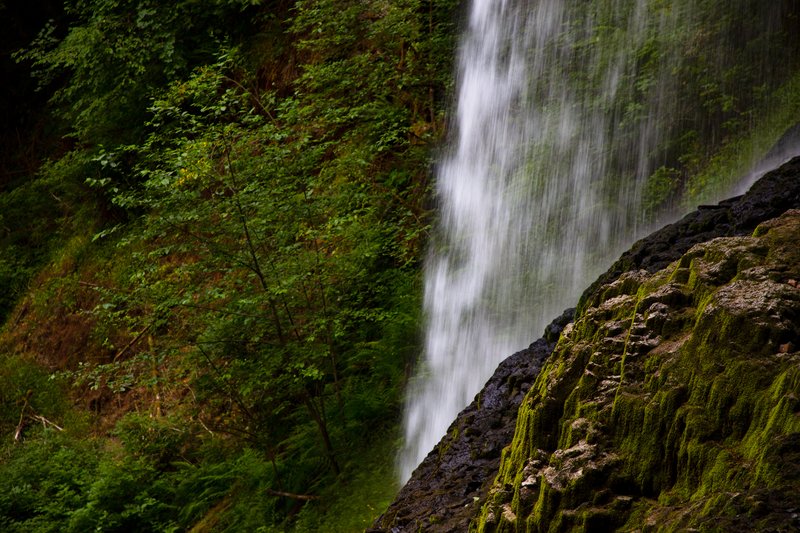
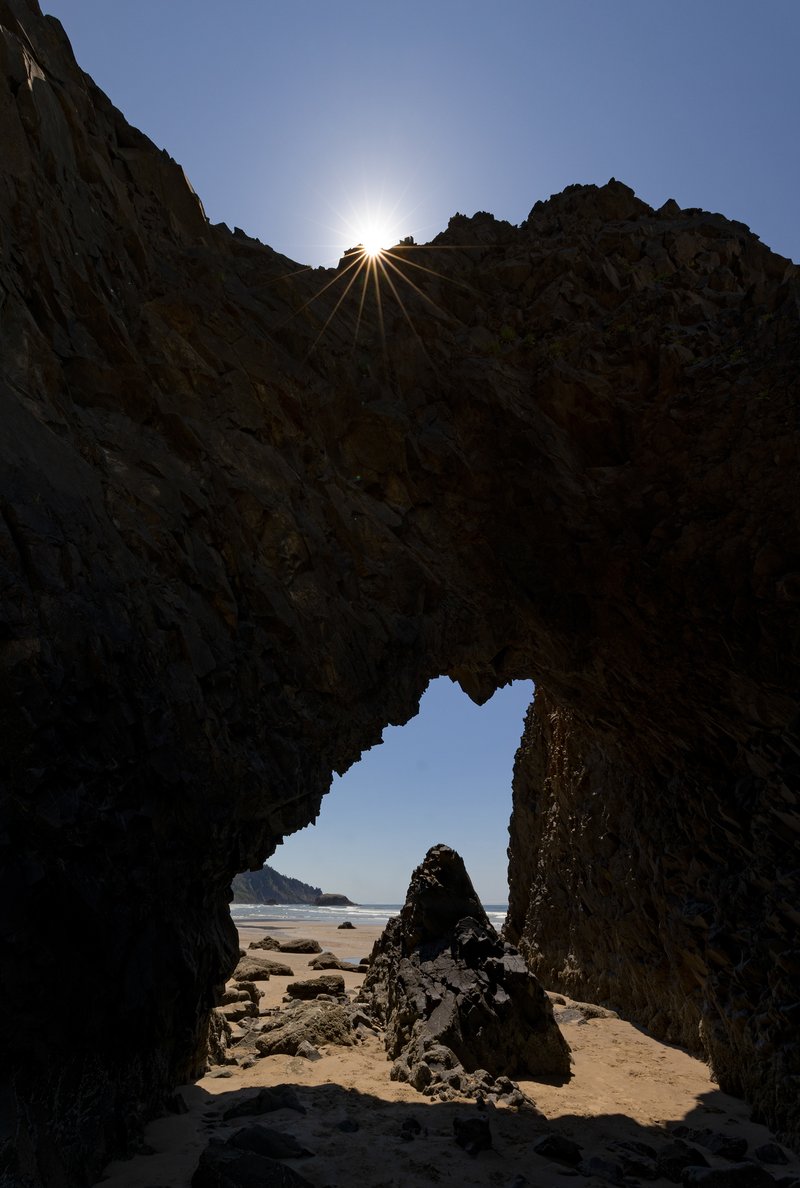
We next stopped at Hug Point State Recreation Site where there is a seasonal waterfall. Unfortunately, we were there during the wrong season. Regardless, it was low tide so we could explore the Point, although it was occupied by a wedding group that somehow decided they owned the beach, that nobody could visit the sea caves and that nobody could take photographs. I interacted briefly with them when they yelled at me for taking pictures while standing on a public beach in a state park. Use your imagination. We left them to their ignorance and misery and continued south to photograph V20-15, an arch at the south end of Arch Cape.
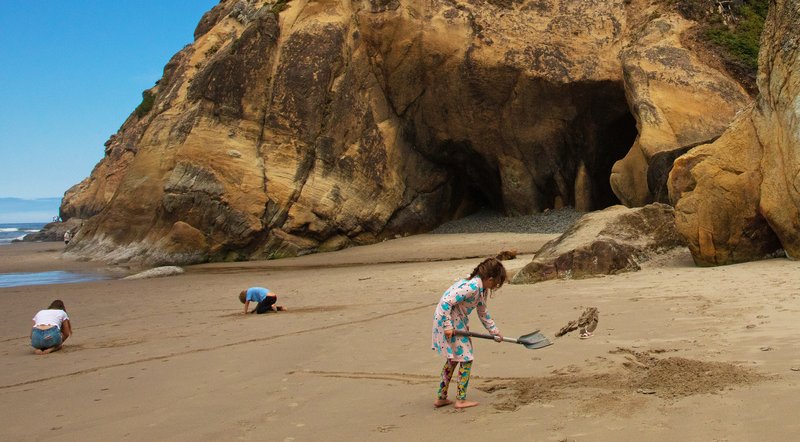
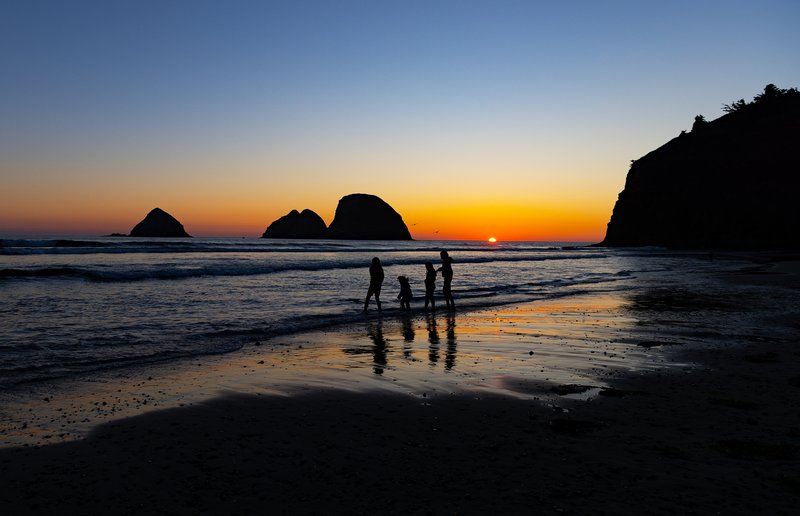
On our way back to the car we passed this family. I grew up in Chicago and very rarely as kids we would go to the beach in nearby Wilmette, on the eastern shore of Lake Michigan. I remember having a small plastic shovel to gather wet sand for building sandcastles, but I can’t recall ever doing any major construction projects. Beaches are different in Oregon.
I like to think of my summer road trip galleries as useful guides for outdoorsy travelers who like to visit lesser known sites along a route. There was a time when we would escape the Arizona summer heat and most severe summer weather by simply heading north, but those days are now gone due to man-made climate change. The Earth speaks and very few listen. There was also a time when we would plan a route to include popular National Parks, but now they are over-crowded and over-priced and we rarely visit. Now, we limit our inland adventures to higher altitudes earlier in the summer and opt for cool ocean breezes in the hottest months.
Your first thought is probably that the coast is overrun with beachgoers, summer residents and RVs, but you’d be surprised how few people are on the beach or along even the most popular coastal trails at sunrise. Sunset is certainly more popular, but even that is tolerable. Of course, the further north you travel, the earlier the summer sunrise and later the sunset. Being on location by sunrise often means being on the road before 5 a.m.
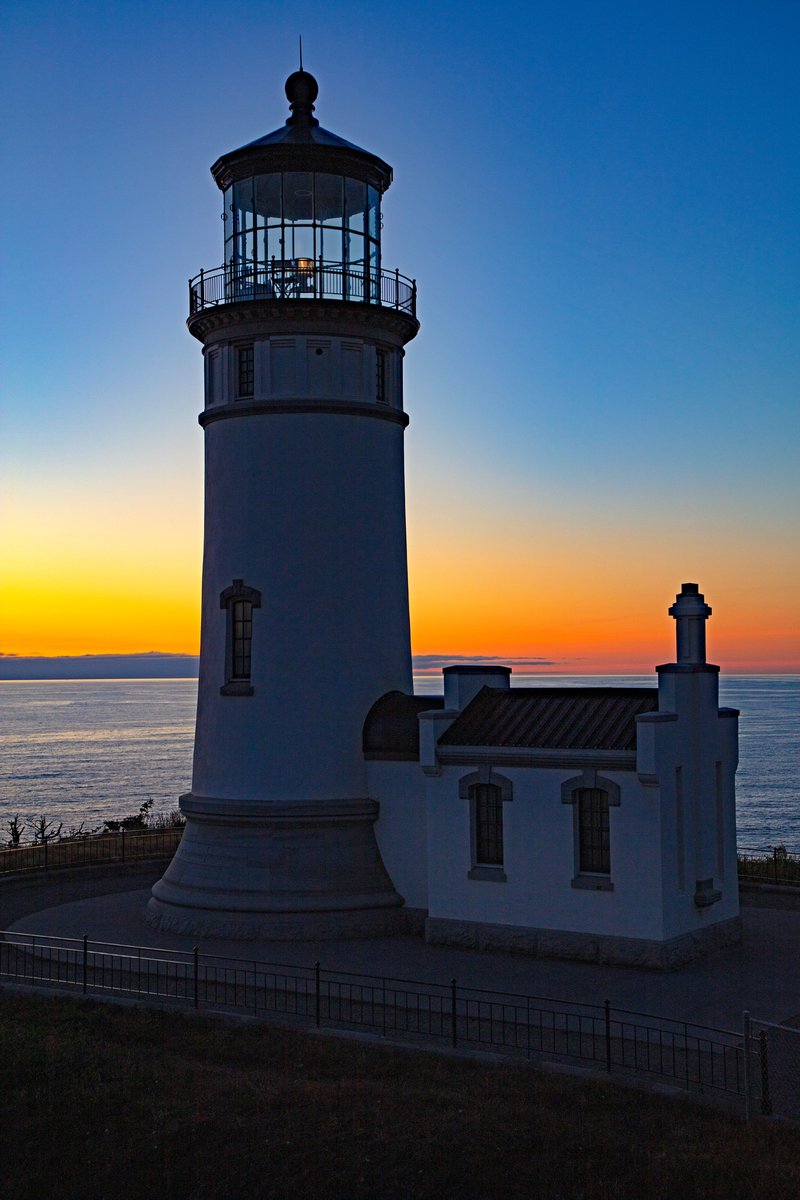
Of the four major road trip planning parameters, lighthouses and waterfalls are popular, but natural arches and hiking trails (usually to natural arches) are not. Outside of Arches National Park, where you now need a reservation just to enter the main gate, natural arches are rarely found on road trip itineraries, other than ours and a few of our Natural Arch and Bridge Society colleagues. This summer’s itinerary included more than 50, with the hope of visiting perhaps half.
Of course, visiting and photographing natural arches are very different things and even more so along the coast. Many sea arches are only accessible during low or minus tides and to experience such tides at sunrise or sunset takes planning. Even the best of planners though cannot easily predict morning fog, although as inland temperatures continue to rise and the Pacific remains cold, it is easier. Other sea arches can only be viewed from bluffs above and are never illuminated by the beautiful golden light that accompanies sunrise. Some are better photographed at sunset, but others are not lit at either sunrise or sunset and require creative compositions to overcome the less interesting lighting. It’s all part of the fun.
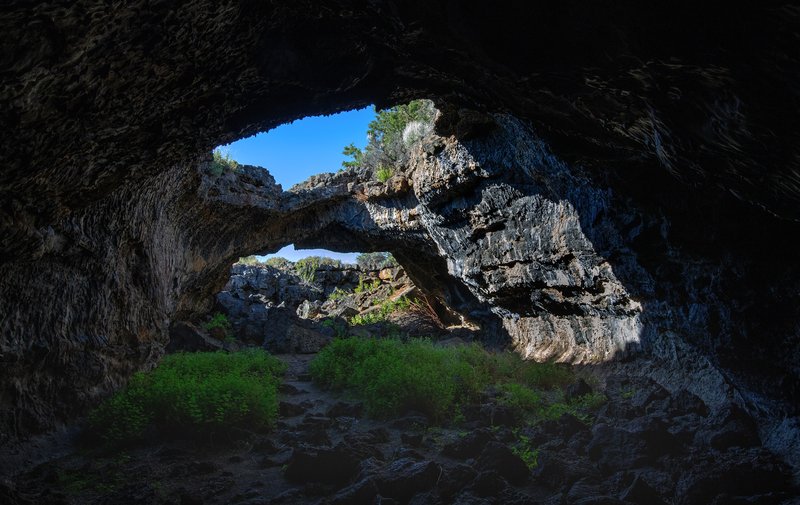
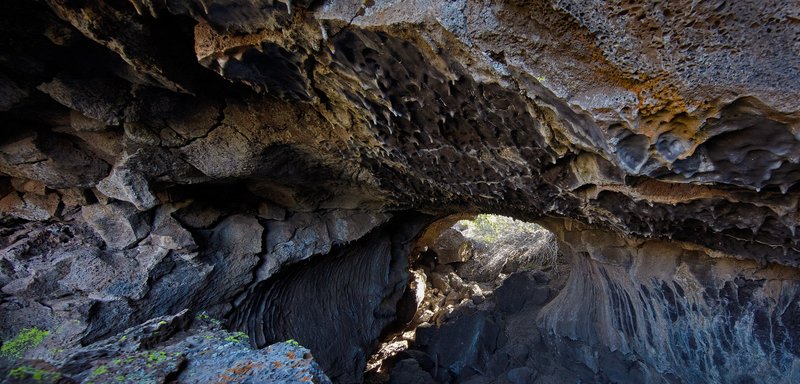
During our first week of inland travel, this year’s itinerary included a special group of destinations– past failures. We had previously failed to find Hualapai Arch, a 138-foot arch in the Black Mountains within Arizona’s Mt. Nutt Wilderness; failed to visit the Ancient Bristlecone Pine Forest, home to the oldest living trees in the world; failed to make interesting photographs of lava tubes and failed to photograph the Mono Lake tufa formations in nice light. This time, with better planning, we managed all four. Of course, the list was quickly re-populated with other failures as our travels progressed. Enjoy the journey.