Coastal Cool, Summer 2023
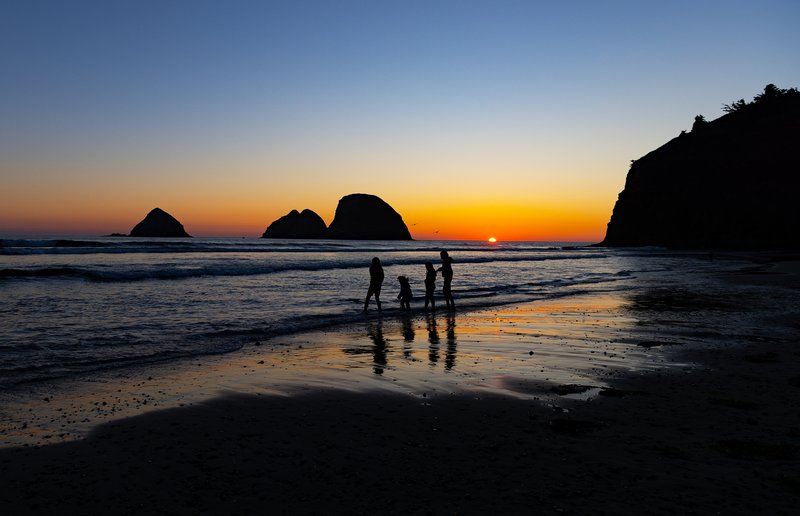
Three Arch National Wildlife Refuge, Oceanside Beach
Three Arch National Wildlife Refuge is a protected area about a half mile off the coast of Oceanside, OR. The 15-acre refuge consists of three large rocks and six small rocky islands. The three large rocks all contain arches and the site features the largest breeding colonies of tufted puffins and common murres south of Alaska. It is also a pupping site for Steller sea lions. The refuge was established in in 1907 by President Theodore Roosevelt to stop the slaughter of sea lions and egg harvesting. The arches are apparently visible from the Cape Meares Lighthouse, although we only viewed them from Oceanside Beach.
As the Lyle Lovett song goes:
“And if I had a boat
I'd go out on the ocean
And if I had a pony
I'd ride him on my boat
And we could all together
Go out on the ocean
I said me upon my pony on my boat”
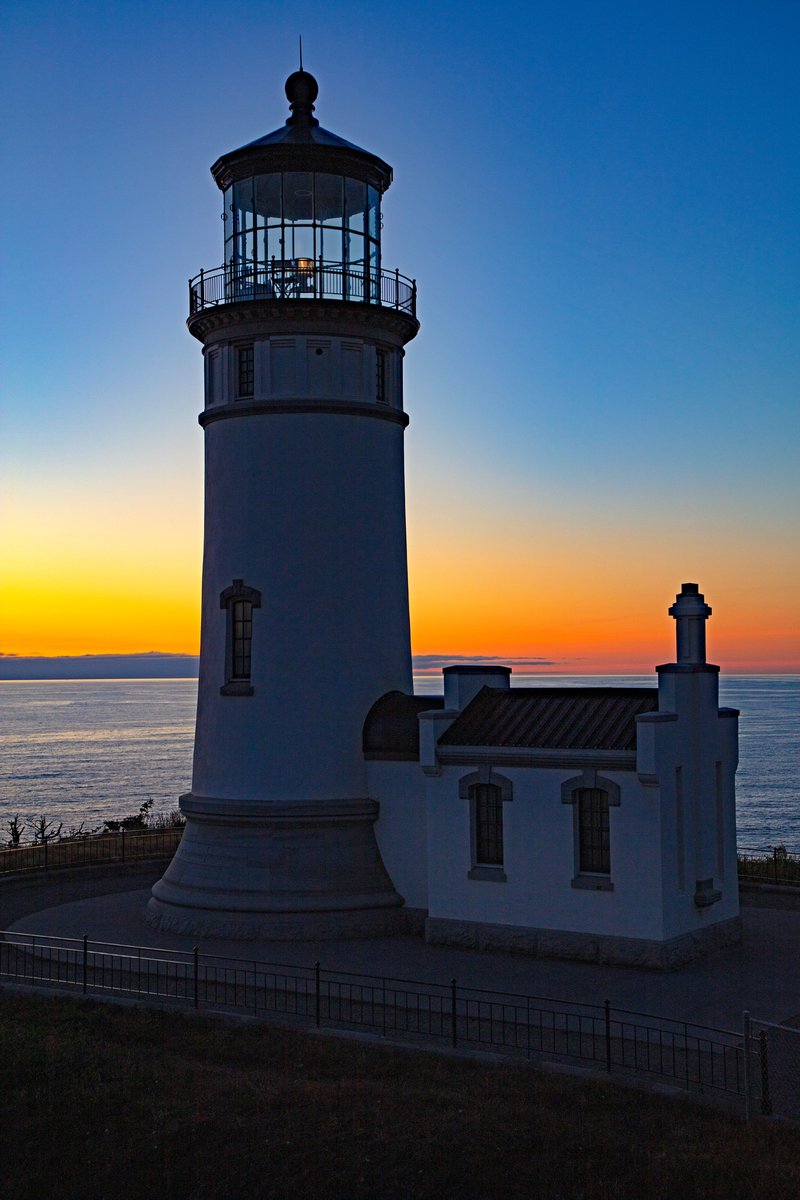
In early January 2010, the lighthouse was vandalized. Gunfire broke 15 of the lighthouse’s window and caused $500,000 damage to the original Fresnel lens that had been created in Paris in 1888 and shipped around the Cape of Good Hope to Oregon. Two Oceanside men were later convicted of the drunken rampage and served minimal jail time. Too bad I’m not a judge.
I like to think of my summer road trip galleries as useful guides for outdoorsy travelers who like to visit lesser known sites along a route. There was a time when we would escape the Arizona summer heat and most severe summer weather by simply heading north, but those days are now gone due to man-made climate change. The Earth speaks and very few listen. There was also a time when we would plan a route to include popular National Parks, but now they are over-crowded and over-priced and we rarely visit. Now, we limit our inland adventures to higher altitudes earlier in the summer and opt for cool ocean breezes in the hottest months.
Your first thought is probably that the coast is overrun with beachgoers, summer residents and RVs, but you’d be surprised how few people are on the beach or along even the most popular coastal trails at sunrise. Sunset is certainly more popular, but even that is tolerable. Of course, the further north you travel, the earlier the summer sunrise and later the sunset. Being on location by sunrise often means being on the road before 5 a.m.
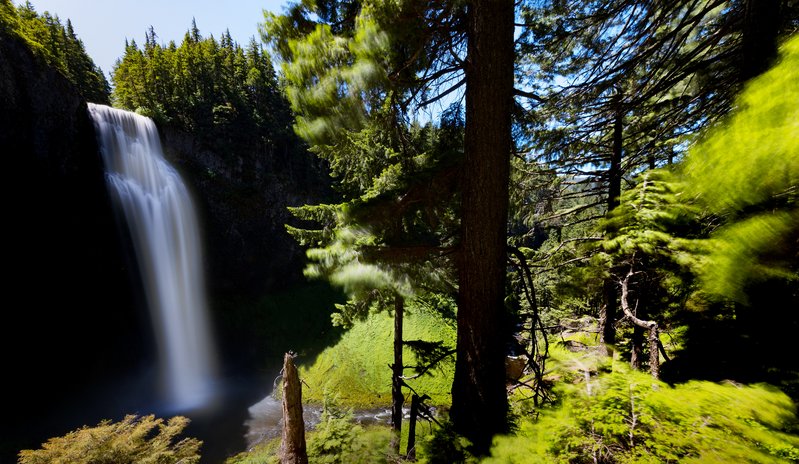
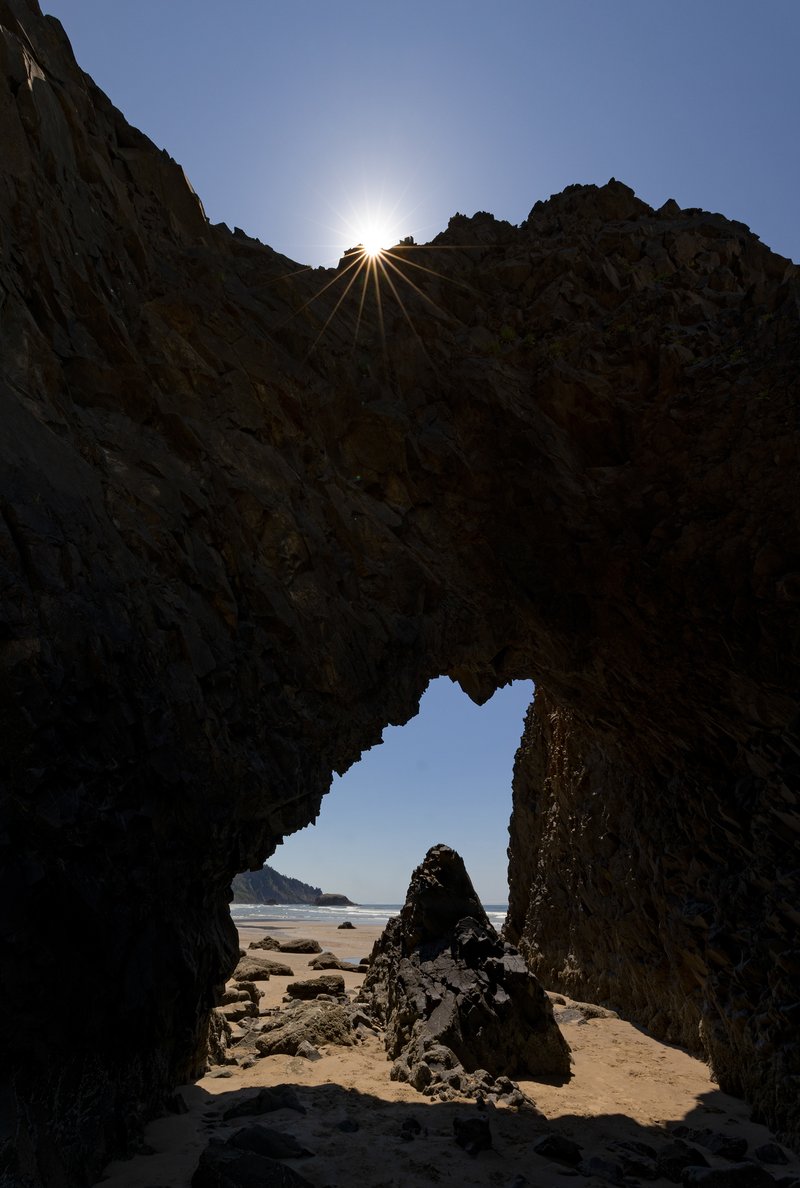
Of the four major road trip planning parameters, lighthouses and waterfalls are popular, but natural arches and hiking trails (usually to natural arches) are not. Outside of Arches National Park, where you now need a reservation just to enter the main gate, natural arches are rarely found on road trip itineraries, other than ours and a few of our Natural Arch and Bridge Society colleagues. This summer’s itinerary included more than 50, with the hope of visiting perhaps half.
Of course, visiting and photographing natural arches are very different things and even more so along the coast. Many sea arches are only accessible during low or minus tides and to experience such tides at sunrise or sunset takes planning. Even the best of planners though cannot easily predict morning fog, although as inland temperatures continue to rise and the Pacific remains cold, it is easier. Other sea arches can only be viewed from bluffs above and are never illuminated by the beautiful golden light that accompanies sunrise. Some are better photographed at sunset, but others are not lit at either sunrise or sunset and require creative compositions to overcome the less interesting lighting. It’s all part of the fun.
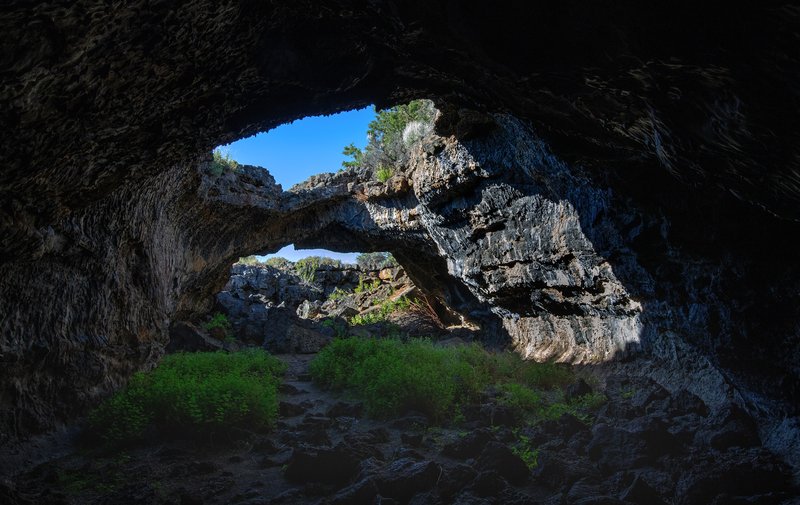
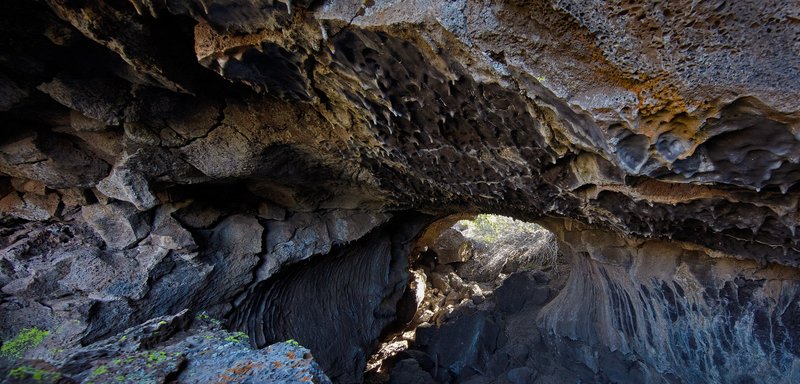
During our first week of inland travel, this year’s itinerary included a special group of destinations– past failures. We had previously failed to find Hualapai Arch, a 138-foot arch in the Black Mountains within Arizona’s Mt. Nutt Wilderness; failed to visit the Ancient Bristlecone Pine Forest, home to the oldest living trees in the world; failed to make interesting photographs of lava tubes and failed to photograph the Mono Lake tufa formations in nice light. This time, with better planning, we managed all four. Of course, the list was quickly re-populated with other failures as our travels progressed. Enjoy the journey.